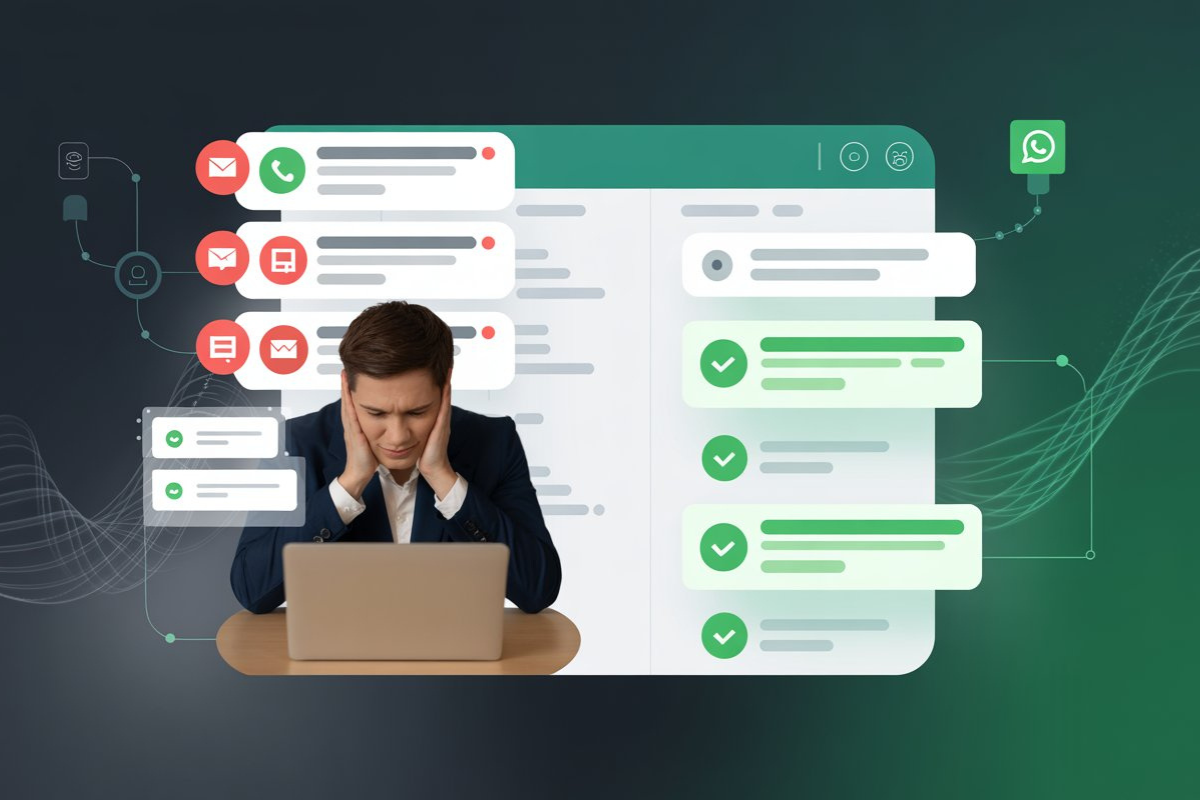
Are you using a cheap WhatsApp API provider to run your marketing campaigns?, Did your WhatsApp business number suddenly get banned or restricted?
In 2026, thousands of businesses are facing serious problems because of cheap WhatsApp API providers that violate Meta’s policies. While low pricing looks attractive, many of these platforms operate using unofficial APIs, shared servers, or automation tricks, which can easily trigger WhatsApp’s security systems.
If your business relies on WhatsApp for marketing, customer support, or automation, understanding why cheap WhatsApp API providers are getting businesses banned is critical. This guide explains the risks, ban reasons, and safest alternatives.
Are Cheap WhatsApp API Providers Safe?

Short answer: No — most cheap WhatsApp API providers are risky.
Many low-cost providers use unofficial APIs, automation scripts, or shared numbers, which violate WhatsApp Business policies. As a result, businesses may experience:
-
- WhatsApp number bans
- Account restrictions
- Message delivery failures
- Permanent account loss
Using an official WhatsApp API provider with proper compliance is the safest way to avoid bans.
Why Are Cheap WhatsApp API Providers Getting Businesses Banned?
Cheap providers usually cut corners to reduce costs. Instead of using the official WhatsApp Business API infrastructure, they rely on unofficial automation systems.
This leads to policy violations and triggers WhatsApp’s automated detection systems.
Common red flags of cheap providers
-
-
- Unofficial WhatsApp API connections
- Web automation scripts
- Shared messaging servers
- Mass bulk sender tools
- Non-compliant broadcast systems
Once detected, WhatsApp may:
-
-
- Restrict the API account
- Limit messaging capability
- Permanently ban the number
This is why WhatsApp API ban warnings are increasing in 2026.
What Makes a WhatsApp API Provider “Cheap”?
Not all affordable platforms are bad. The problem occurs when providers bypass official infrastructure.
Typical characteristics of risky providers
|
Feature
|
Cheap / Risky Provider
|
Official Provider
|
|
API access
|
Unofficial
|
Official Meta API
|
|
Compliance
|
Low
|
Full policy compliance
|
|
Messaging method
|
Automation scripts
|
Verified messaging
|
|
Ban risk
|
High
|
Very low
|
|
Support
|
Limited
|
Professional
|
Many businesses choose cheap tools for WhatsApp bulk messaging, but this can lead to account Restrictions.
What Are the Main WhatsApp API Ban Reasons?
Understanding WhatsApp API ban reasons helps businesses avoid mistakes.
1. Using Unofficial WhatsApp API
Third-party tools that simulate WhatsApp Web access often violate WhatsApp policies.
These tools trigger automatic spam detection systems.
2. Sending Bulk Messages Without Consent
WhatsApp requires user opt-in before sending messages.
Sending messages to random contacts can cause:
-
-
- Spam reports
- Message limits
- Account bans
3. High Spam Complaint Rate
If too many users block or report your number, WhatsApp may restrict the account.
4. Policy Violations
Common violations include:
-
-
- Promotional spam
- Misleading campaigns
- Unauthorized automation tools
These violations can lead to WhatsApp Business policy enforcement.
Official vs Unofficial WhatsApp API Providers

Choosing the right provider is crucial for long-term business safety.
|
Factor
|
Official WhatsApp API Provider
|
Unofficial Provider
|
|
Meta approval
|
Yes
|
No
|
|
Business verification
|
Required
|
Not required
|
|
Compliance
|
Fully compliant
|
Often non-compliant
|
|
Stability
|
High
|
Unstable
|
|
Ban risk
|
Very low
|
High
|
Businesses using unofficial WhatsApp API providers often face sudden bans without warning.
Real Risks of Using Cheap WhatsApp API Providers
Many businesses only realize the risk after their number gets banned.
Major risks include
-
-
- Business number blocked permanently
- Loss of customer conversations
- Failed marketing campaigns
- Brand reputation damage
- Data privacy risks
For businesses running WhatsApp marketing campaigns, this can cause serious revenue loss.
How to Avoid WhatsApp API Bans in 2026
Follow these best practices to keep your WhatsApp account safe.
1. Use an Official WhatsApp API Platform
Always choose providers that connect through official Meta APIs.
2. Use Opt-In Messaging Only
Customers must agree to receive messages before you contact them.
3. Avoid Spam-Like Campaigns
Send relevant and personalized messages rather than mass promotional spam.
4. Follow WhatsApp Business Policies
Always follow the official documentation and messaging guidelines.
5. Monitor Quality Rating
WhatsApp tracks account health through quality ratings.
Low quality can lead to messaging limits or bans.
Checklist: How to Choose a Safe WhatsApp API Provider
Before selecting a platform, check the following:
✔ Official Meta API integration
✔ Transparent pricing model
✔ Compliance with WhatsApp policies
✔ Opt-in message support
✔ Verified business messaging
✔ Campaign control and analytics
✔ Reliable infrastructure
Avoid providers promising “unlimited bulk WhatsApp messages” — this is usually a warning sign.
FAQs
Is cheap WhatsApp API safe?
Cheap WhatsApp API providers can be risky if they use unofficial systems. Many low-cost platforms bypass Meta’s official infrastructure, which can lead to account restrictions or permanent bans. Businesses should verify whether the provider uses the official WhatsApp Business API.
Why do WhatsApp API numbers get banned?
WhatsApp API numbers get banned mainly due to policy violations such as sending spam messages, using unofficial APIs, high complaint rates, or messaging users without consent. WhatsApp uses automated systems to detect suspicious activity.
What is the safest WhatsApp API provider?
The safest WhatsApp API providers are platforms that use official Meta-approved APIs, maintain compliance with WhatsApp policies, and provide proper opt-in messaging systems. These platforms ensure stable messaging and reduce the risk of account bans.
Are cheap WhatsApp API providers legal?
Some cheap providers operate in a grey area by using unofficial integrations. While they may function temporarily, they often violate WhatsApp’s platform policies, which can result in account bans.
What happens if a WhatsApp API account gets banned?
If a WhatsApp API account is banned, the business may lose access to messaging services, customer conversations, and verified number status. Recovery is difficult and may require contacting WhatsApp support.
How can businesses avoid WhatsApp API bans?
Businesses should use official API platforms, follow opt-in messaging rules, avoid spam campaigns, maintain a good quality rating, and comply with WhatsApp Business policies.
Why Businesses Choose WAPilot
If you're looking for a safe WhatsApp automation platform, choosing a reliable provider is essential.
WAPilot helps businesses run WhatsApp marketing campaigns while maintaining compliance and performance.
Key benefits
-
-
- Official API-based messaging infrastructure
- Secure broadcast campaigns
- Contact management tools
- Automation workflows
- Campaign analytics
- Business-friendly pricing
This helps businesses run WhatsApp marketing without ban risks.
👉 Learn more at wapilot.io
Conclusion
Cheap WhatsApp API providers may look attractive because of low pricing, but they often come with serious risks.
Businesses using unofficial platforms can face:
-
-
- WhatsApp number bans
- Messaging restrictions
- Campaign failures
The safest approach is to use official WhatsApp API platforms that follow Meta’s policies.
If your business relies on WhatsApp for marketing or automation, choosing the right provider can protect your business number, customer communication, and brand reputation.
Always remember: saving money on a cheap WhatsApp API provider today could cost your entire WhatsApp account tomorrow.