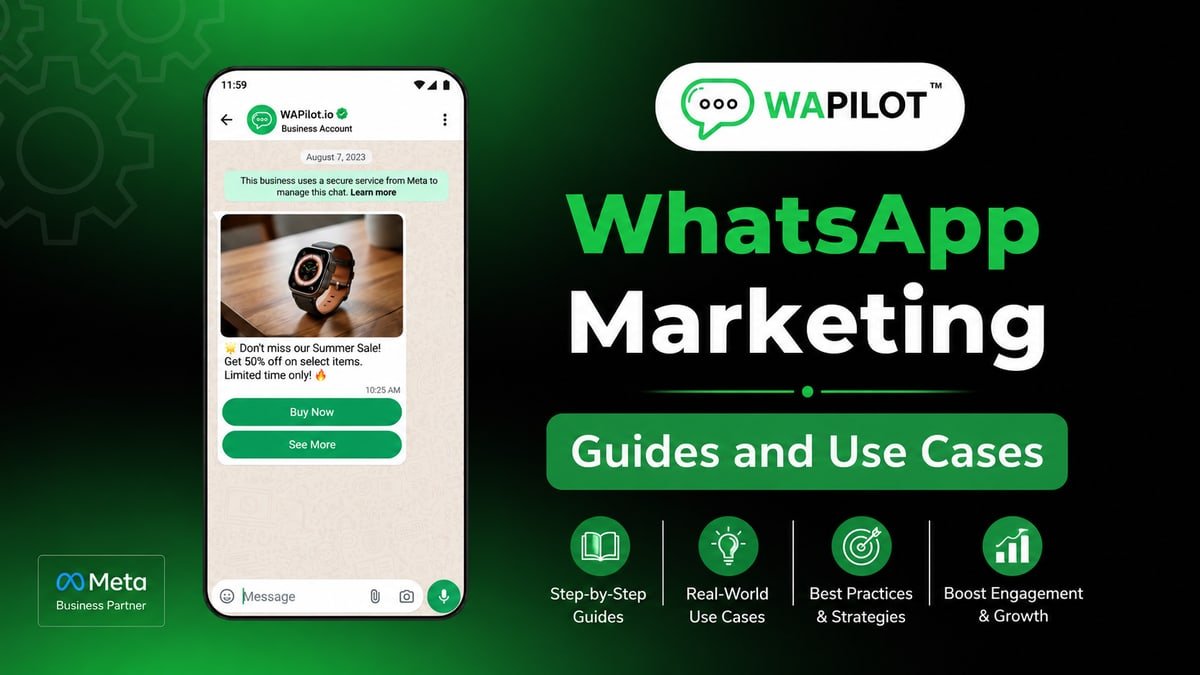
WhatsApp is no longer just a messaging app — it has become one of the most powerful marketing channels for brands, agencies, ecommerce stores, and local businesses. With over 2.7 billion active users, WhatsApp offers unmatched open rates, personalized communication, and instant engagement — making WhatsApp Marketing one of the highest-ROI digital marketing strategies in 2025.
If you want to reach customers faster, boost sales, automate conversations, and build long-term relationships, this guide will show you everything:
➡ WhatsApp marketing strategies
➡ Best tools and automations
➡ WhatsApp Business API
➡ Campaign tips
➡ Compliance guidelines
➡ Real examples
➡ And best practices for 2025
What Is WhatsApp Marketing? (Beginner-Friendly Explanation)
WhatsApp Marketing is the practice of using WhatsApp to promote products, send updates, provide customer support, automate conversations, and build direct communication with customers. It includes:
- WhatsApp Business App
- WhatsApp Business API
- Chatbots
- Automation workflows
- Broadcast messages
- WhatsApp catalog promotions
- Click-to-WhatsApp ads
If you're new to the platform, you can check the WhatsApp overview to understand how the app evolved, its global user base, and why it has become such a powerful communication channel for businesses. This background helps explain why WhatsApp Marketing is now a core part of modern digital strategies.
WhatsApp Marketing is effective because:
- 98% message open rate (vs 20–30% email)
- Massive reach in India, Brazil, UAE, U.S., Europe
- Instant replies and faster conversions
- High personalization
- AI-driven automations available
Why WhatsApp Marketing Matters in 2025
WhatsApp has become a core marketing channel for ecommerce, agencies, education, service-based businesses, real estate, travel companies, healthcare, and D2C brands.
Benefits of WhatsApp Business Marketing
1. Faster conversions
Customers respond 10x faster on WhatsApp compared to email.
2. Better personalization
You can send personalized messages, order updates, reminders, and offers.
3. High trust and credibility
WhatsApp is a personal communication channel — brands get more trust.
4. Supports automation
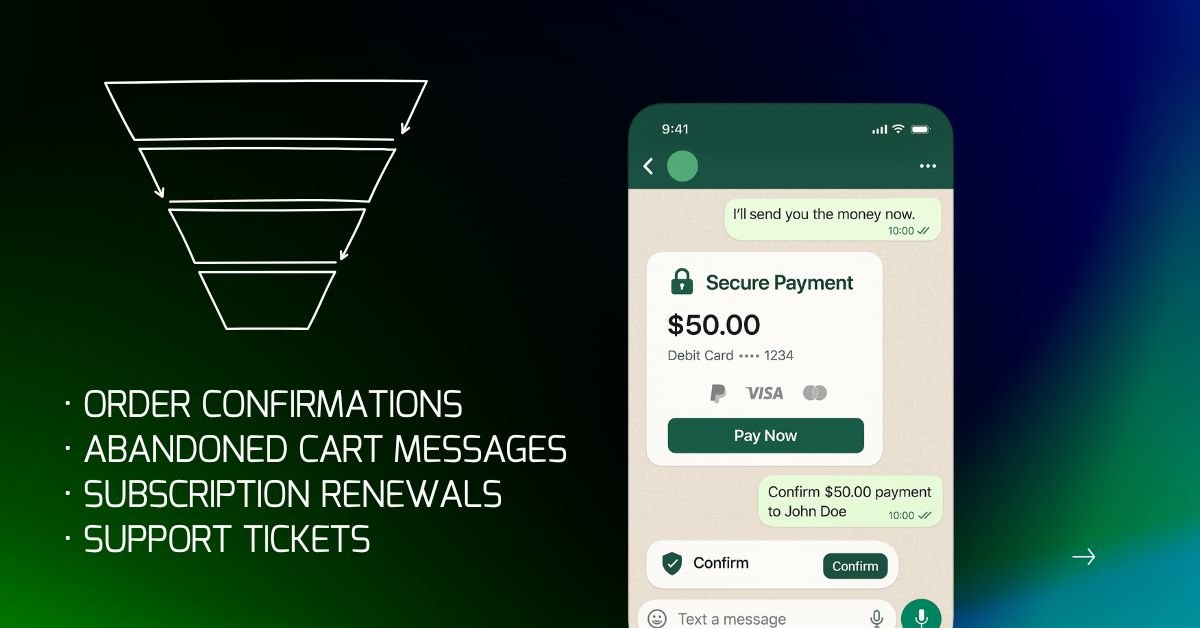
With the WhatsApp Business API, you can automate:
- Order confirmations
- Abandoned cart messages
- Subscription renewals
- Support tickets
5. Full sales funnel support
Awareness → Engagement → Conversion → Retention — all possible on WhatsApp.
In 2025, WhatsApp Marketing has evolved into a complete customer communication system. To get the best results, brands must treat WhatsApp as a full-fledged marketing channel, not an occasional messaging app. Create weekly campaign schedules, categorize your customers (new leads, active buyers, VIPs), and maintain consistent communication that guides users from awareness to purchase. Businesses that apply structured WhatsApp strategies see 3x more conversions because users prefer fast, conversational, and personalized communication.
WhatsApp Marketing Strategies That Work in 2025
1. Build a WhatsApp Subscriber List Legally
You cannot randomly message users. Instead, ask them to opt in through:
- Website popup forms
- WhatsApp click-to-chat button
- QR codes in-store
- Instagram/FB “message us” buttons
- Google Ads to WhatsApp
- Post-purchase popup
- Lead magnets like coupons or free guides
Pro Tip: Offer a 5%–10% discount to encourage sign-ups.
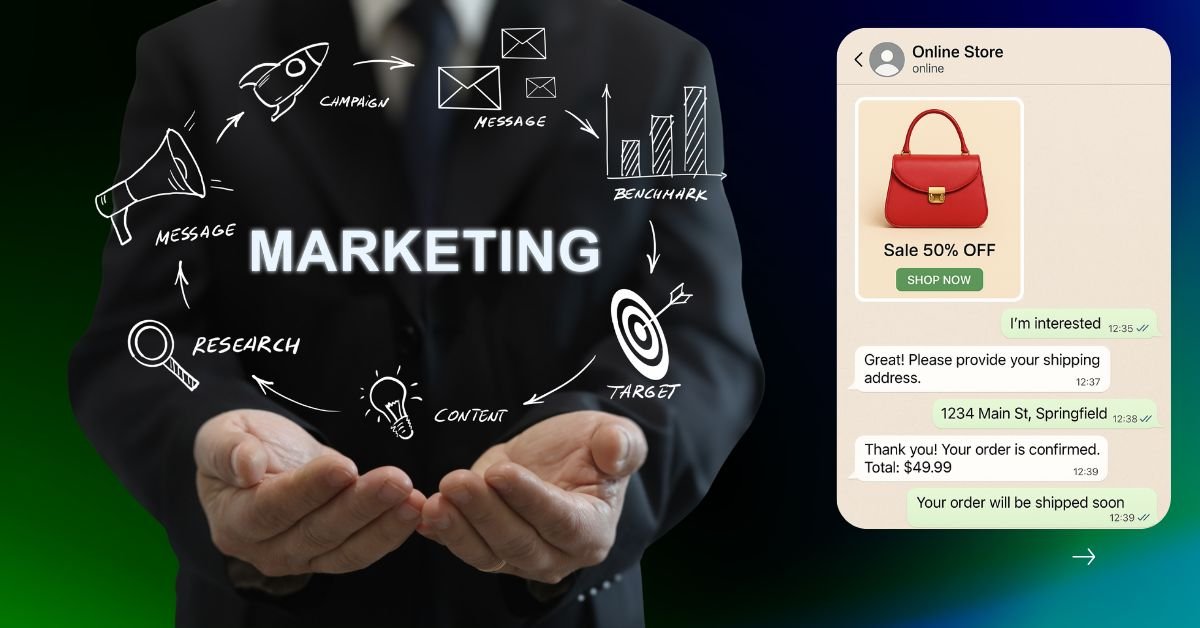
2. Design Engaging WhatsApp Marketing Campaigns
WhatsApp Marketing Campaigns should include:
- A clear hook
- Short message
- Value/offer
- CTA (Buy Now / View Offer / Explore Catalog)
- Quick-reply buttons
Example WhatsApp Marketing Campaign:
“⚡ Limited Offer! Get 20% off on all orders today. Click below to view your personalized collection.”
3. Use WhatsApp Automation for Business
Automation improves response speed and reduces workload. Popular automations include:
- Welcome messages
- Lead qualification
- Abandoned cart recovery
- Order updates
- COD confirmation
- Appointment reminders
- Subscription renewals
- Chatbot-based FAQs
This helps reduce manual time by 70% and increases conversions by 30–50%.
4. Create a WhatsApp Content Strategy
Your WhatsApp marketing strategy should include:
- Weekly broadcast campaigns
- Festival/seasonal offers
- Product announcements
- Tutorials or tips
- Customer reviews
- Back-in-stock alerts
- Personalized check-in messages
Keep messages short, helpful, and highly personalized.
5. Leverage WhatsApp Business API for Scaling
The WhatsApp Business API is essential for medium and large businesses. It allows:
- Sending bulk promotional messages
- Multi-agent support
- Chatbots & automation
- CRM integration
- Unlimited message templates
- High-speed broadcasting
Businesses using API see 60–80% higher ROI compared to the normal Business App.
To understand how message templates, approved content, session messages, and automation workflows operate, explore Meta’s WhatsApp Business API documentation. This helps ensure your campaigns stay compliant and properly structured for scalable marketing.
The most effective WhatsApp marketing strategy is built around permission-based messaging and personalized communication. Avoid sending the same message to everyone — instead, segment users by interest, purchase stage, or past interactions. Mix promotional messages with helpful content like tips, how-to guides, reviews, or reminders. Brands that follow a consistent weekly content plan and analyze their campaigns regularly generate stronger engagement and higher customer lifetime value.
Best WhatsApp Marketing Tools & Software (2025 Updated List)
Here are the most powerful tools for WhatsApp marketing:
1. WAPilot (Best for Small Businesses & Agencies)
A highly affordable WhatsApp Business API automation software offering:
- Bulk messaging
- Chatbot builder
- Broadcast campaign builder
- Automation workflows
- Analytics dashboard
- Pricing: ₹499/month
Ideal For:
Agencies, ecommerce stores, small businesses, services, influencers.
2. Meta WhatsApp Cloud API
Directly from Meta — best for enterprise scalability, but setup requires technical expertise.
3. CRM Integrations
Tools like HubSpot, Zoho, Interakt, and Gupshup offer WhatsApp-based automation workflows.
When choosing a WhatsApp marketing tool, look for compliance, automation capabilities, and scalability. Avoid cheap unofficial tools that risk number bans and poor delivery rates. Instead, pick platforms with API access, chatbot builders, analytics dashboards, and smooth CRM integration. A good tool should help you send bulk campaigns, manage leads, and automate follow-ups effortlessly.
WhatsApp Automation Workflows That Boost Sales
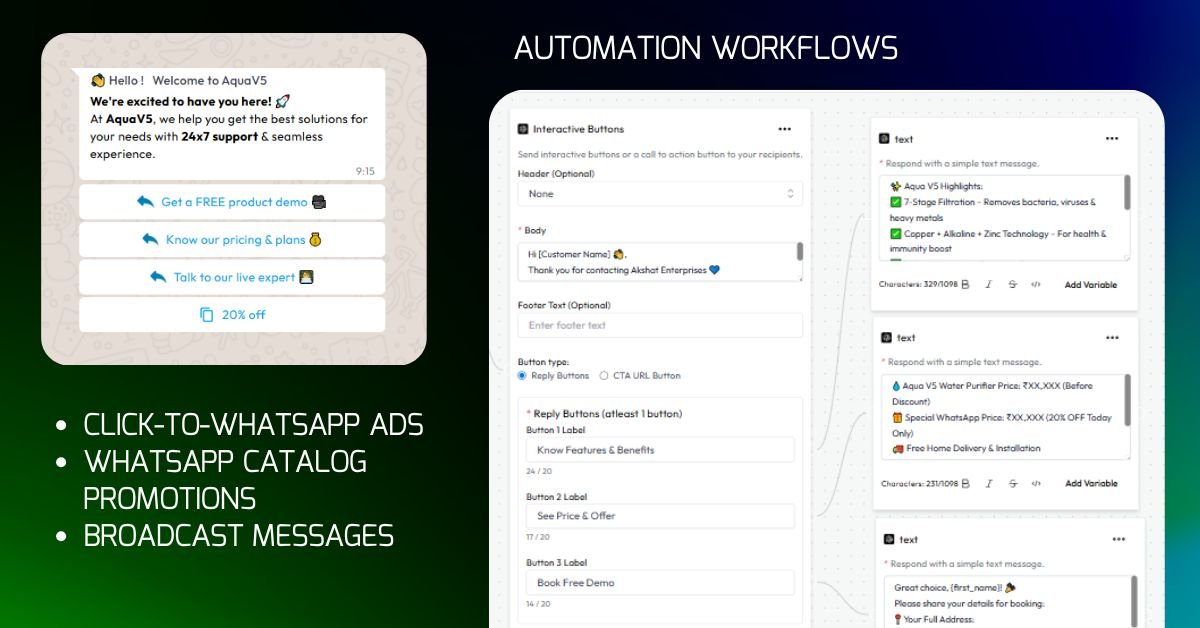
Automation workflows help convert leads automatically. Top workflows include:
Welcome Automation
Instantly greet new customers with:
- Brand introduction
- Offer
- CTA
Abandoned Cart Automation
Send reminders like:
“Your cart is waiting! Complete purchase & get 5% off.”
Order Tracking Workflow
Automated messages for:
- Confirmation
- Shipping
- Out for delivery
- Delivered
Customer Support Chatbot
Respond to common FAQs:
- Shipping
- Refund status
- Product info
- Payment details
Review & Feedback Automation
After delivery, send a message asking for a review.
To make WhatsApp automation sales-driven, design flows that match each step of the customer journey. Use triggers like “clicked but didn’t buy,” “viewed catalog,” or “requested details” to send contextual messages. Add multi-step reminders, personalization tokens, and helpful content in your workflows. Test message timing and style often to improve conversions.
Best Practices for WhatsApp Marketing (Do This for High ROI)
✔ Keep messages short & valuable
✔ Don’t spam customers
✔ Always ask for opt-in
✔ Use personalization
✔ Design branded templates
✔ Track analytics
✔ Use WhatsApp API for scaling
✔ Segment your audience
✔ Avoid sending messages at night
✔ Provide one-click CTAs
WhatsApp marketing works best when you balance engagement with respect for the user’s inbox. Apply the 70/30 rule: 70% helpful content and 30% promotional content. Track weekly analytics, refine high-performing templates, and send messages at optimal times. Consistency is key — brands that communicate regularly build trust, repeat purchases, and long-term loyalty.
FAQs
What is WhatsApp Marketing and how does it work?
WhatsApp Marketing is promoting products, sending updates, and automating customer communication using WhatsApp Business or WhatsApp API. It works through campaigns, chatbots, broadcasts, and personalized messaging to engage customers instantly.
Is WhatsApp marketing effective for small businesses?
Yes. WhatsApp messages have a 98% open rate, giving small businesses higher engagement, more leads, and stronger customer retention compared to email or SMS.
How can I send bulk messages on WhatsApp legally?
To send bulk messages, you must use the official WhatsApp Business API and collect user opt-in. WhatsApp strictly prohibits unsolicited or spam messages.
What are the best tools for WhatsApp marketing?
Top tools include WAPilot, WhatsApp Cloud API, Interakt, Gupshup, Zoho CRM, and HubSpot integrations. These tools support automation, chatbots, and high-volume broadcasting.
Can I automate WhatsApp messages for my business?
Yes. Using WhatsApp API tools, you can automate welcome messages, order updates, cart recovery reminders, follow-ups, and chatbot-based customer support.
What is the best way to start WhatsApp marketing as a beginner?
Beginners should start by creating a WhatsApp Business profile, collecting opt-ins legally, and setting up simple automations like welcome flows before sending weekly broadcast campaigns.
How do I collect WhatsApp subscribers legally in 2025?
Use opt-in methods like website forms, QR codes, ads, social buttons, or post-purchase prompts. WhatsApp requires clear consent before sending promotional messages.
What is the difference between WhatsApp Business App and WhatsApp Business API?
The Business App is manual and for small teams. The API allows bulk messaging, automation workflows, multi-agent support, and CRM integration—perfect for scaling.
How can businesses use WhatsApp automation to increase sales?
Automations like abandoned cart messages, order tracking, and personalized reminders help convert leads instantly, reducing manual effort and boosting conversions.
What type of content works best for WhatsApp marketing?
Short, personalized content works best—offers, product updates, tutorials, reviews, reminders, and catalog links. The tone should always remain conversational.
Is WhatsApp marketing safe and compliant for business use?
Yes—if you use the official API and collect opt-in. Avoid unofficial bulk-sending tools that violate WhatsApp rules and risk number banning.
How do WhatsApp marketing campaigns improve customer retention?
Retention improves when businesses send personalized reorder prompts, follow-ups, reminders, and exclusive offers that keep customers engaged regularly.
What’s the best WhatsApp automation tool for ecommerce stores?
Platforms like WAPilot, WhatsApp Cloud API, and Interakt offer ready-made ecommerce workflows such as cart recovery, order updates, and product recommendations.
Can WhatsApp marketing replace email marketing?
Not fully—but WhatsApp offers faster response rates and higher personalization. Brands often use WhatsApp for quick communication and email for long-form content.
What are the most common mistakes in WhatsApp marketing?
Common mistakes include spamming, not segmenting users, using unofficial tools, sending long texts, and messaging without opt-in. Personalization and timing are key.